Family Constellations Systemic Therapy

Systemic Education

The education system, the family system and the social system are in constant interaction in the classroom. Systemic Pedagogy comes against the need to generate and strengthen the bond between teachers and students including the family system of origin.
Meets all systems, their interaction and the place of each of the elements of the system for increased functionality.
The Systemic Pedagogy promotes student learning by working together with parents, to educate jointly school and family.
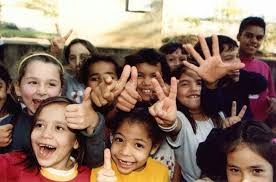
The Systemic Education contributes on several levels:
- The school as an organization: encourage cooperation between supervisors, directors, consultants, teachers, students and families.
- In the school as an educator entity: enrich the learning activities. When the educational content introducing family and systemic elements, one learns more easily.
- In the school as a democratic sphere of coexistence: enhances inclusion, conflict resolution and community participation.
- In school as continuous improvement and motor development of teachers.
- At school and in the family as factor of change in the posture of professionals in education, parents and students, from the application of Systemic Basic Laws.
- Has been used today as a major instrument of learning support and administration of schools in Europe and Mexico.
- In public institutions of child care and adolescent assisting in the reintegration of the same family, school and society.
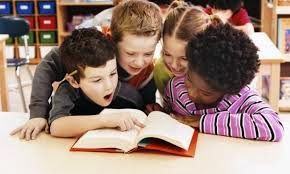
Conceptual foundations of Systemic Pedagogy
Family Constellations
Phenomenology
Systems Theory
systemic family therapy
Constructivism
Issues that solves
poor academic performance
lack of attention in class
discipline in the classroom
communication with the teacher
family integration
axiological training
structuring the school day
group integration
teacher training
Other